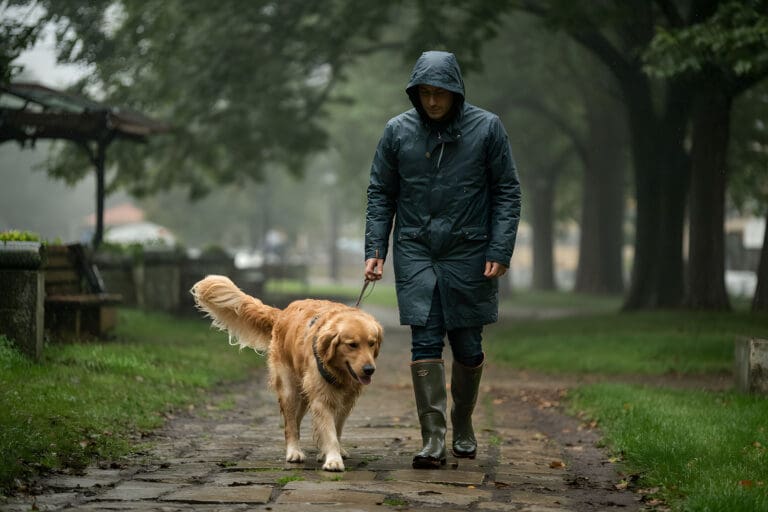
Keeping your pets safe this winter!

The cold weather can be hard on our fuzzy buddies. As pet owners, it’s important to take extra care of our pets during the winter months.
Here are some tips:
Fur
Keep your dog’s fur coat well-groomed, as a full, healthy coat will help keep your dog warm in winter months. Trims, however, remain necessary to maintain the condition of your dog’s coat. Dogs with long hair require a lot of fluff to stay warm. You may wish to consider a dog coat to help keep your dog warm and dry when outside in the winter months.
Paws
Keep the fur on your dog’s paws groomed to stop ice, salt, and sand from sticking to it, or causing irritation to their pads. Sand and salt can get in between their pads and irritate their skin. We suggest that every time you enter from outdoors, give your dog’s paws a warm water wash if they are braving the cold barefoot.
Noses
The dry air can damage their skin and nails and their nose will be experiencing the same effects. Your dog may feel uncomfortable and may even lose their sense of smell if their nose is dry and cracked. We suggest monitoring and if needed, apply a nose balm.
Shelter
One of the most important things you can do for your dog in the winter is to provide them with a warm, comfortable, and dry place to sleep. If your dog spends any time outdoors, bring them in when the temperature drops and make sure they have a snug, dry spot to curl up in when they are not active.
Cats
If possible, give your cats access to a cat flap in order to come inside and shelter from the elements. A few more cosy places around the house for your cat to snuggle up in will be very welcome in the winter months. Igloo beds or radiator fitted beds are a great option.
Litter
Even if your cat goes outside for toileting, it is a good idea to have a litter tray inside so they will not feel obligated to go outside in bad weather. If you have several cats, make sure that at the very least there is one tray for each cat!
Keep Them Active
Dogs
Pets can get cabin fever when they are stuck indoors all winter. Make sure to give your dog plenty of opportunities to exercise, even if it is just in the back garden. Just be sure to put a coat on your doggo if it is especially cold outside.
Cats
For your cat, get them some new toys and make sure you play with them frequently. Since dawn and dusk are peak hunting hours, try to play with your cat during those times.
Dog waking in the dark
If you must walk your dog at night, take a good torch to light up your route and keep your dog on a lead, to avoid hidden dangers. It’s also wise to ensure you are both visible to walkers and drivers, we suggest a reflective coat or similar reflective items for your dog.
Frostbite
Frostbite occurs when the skin and tissue freeze. It usually affects the extremities, such as the paws, ears, and tail. If you notice your dog’s skin is pale or bluish in colour or if they seem to be in pain, they may have frostbite. If you suspect your dog has frostbite, warm the affected area gently with warm water and contact your vet without delay.
Hyperthermia
If your dog is shivering uncontrollably, has blue lips or gums, has difficulty walking or seems lethargic, they may be suffering from hypothermia. If your dog starts to show any of these signs, bring them inside immediately and warm them up slowly and contact your vet without delay.
Anti-freeze & De-Icer
Anti-freeze and de-icer are used in car radiators and to stop cars icing up in winter, but they are incredibly toxic for animals and can kill them. Anti-freeze and other chemicals can be tempting for dogs to lick so be sure to keep any chemicals out of reach and clean up any spills immediately. Contact your vet without delay if you suspect that your pet has consumed something toxic.
If you do use antifreeze in your car, be extra careful to use a pet-safe variety – the PDSA has good advice on which products to use.
Cats hiding under car bonnet
In cold weather, cats often find refuge under vehicles. Some even climb into the bonnet to be close to a warm engine. Before starting your car, always check inside to see if a cat has climbed inside or tap on the bonnet.
Dangerous Plants
Holly, Ivy, and Poinsettia are popular holiday plants that are poisonous to pets if they consume them. We suggest you move them out of reach or put them in a room your pet does not have access to.
Caring for our smaller furry friends
Small animals we keep as pets, such as rabbits, guinea pigs and ferrets, are quite sensitive to the cold and temperature fluctuations. Even though a sharp drop in temperature can be jarring, there are a few things you can do to support them.
Bring Them In
If your pets are used to living outside, consider moving them inside or into a sheltered place, such as a shed or car-free garage, where they will be safe from the elements. However, keep in mind that they also require light, so make sure they have a window.
Steer Clear of Draughts
If you are unable to bring small animals that are accustomed to living outdoors, inside, you should prepare their habitat by covering open fronts to shield them from the elements and insulating the sides of the home with newspaper or carpet and making sure they have plenty of bedding to snuggle into. Make sure that tiny animals, such as mice or hamsters are kept indoors and away from draughts of chilly air. You might need to relocate their enclosure away from windows and towards a warmer area of the house.
Conclusion
Whether you have a dog, cat, or a smaller pet, it is important that they stay secure, warm, and active as the weather begins to cool. It can be challenging for both us and our pets to adjust when the days become shorter and the temperatures drop and we go into the winter but with a little extra care and attention to them, you can safely get through winter.
From all the staff at Doggies & Moggies- we wish you all a happy and safe winter season.